PRODUCT
How Glitter Heat Transfer Vinyl Is Made (and Why Flake-Free Matters)
From glitter powder to a 350 µm film that stays on the garment—inside the production line in Yangju, Korea.
What glitter HTV actually is
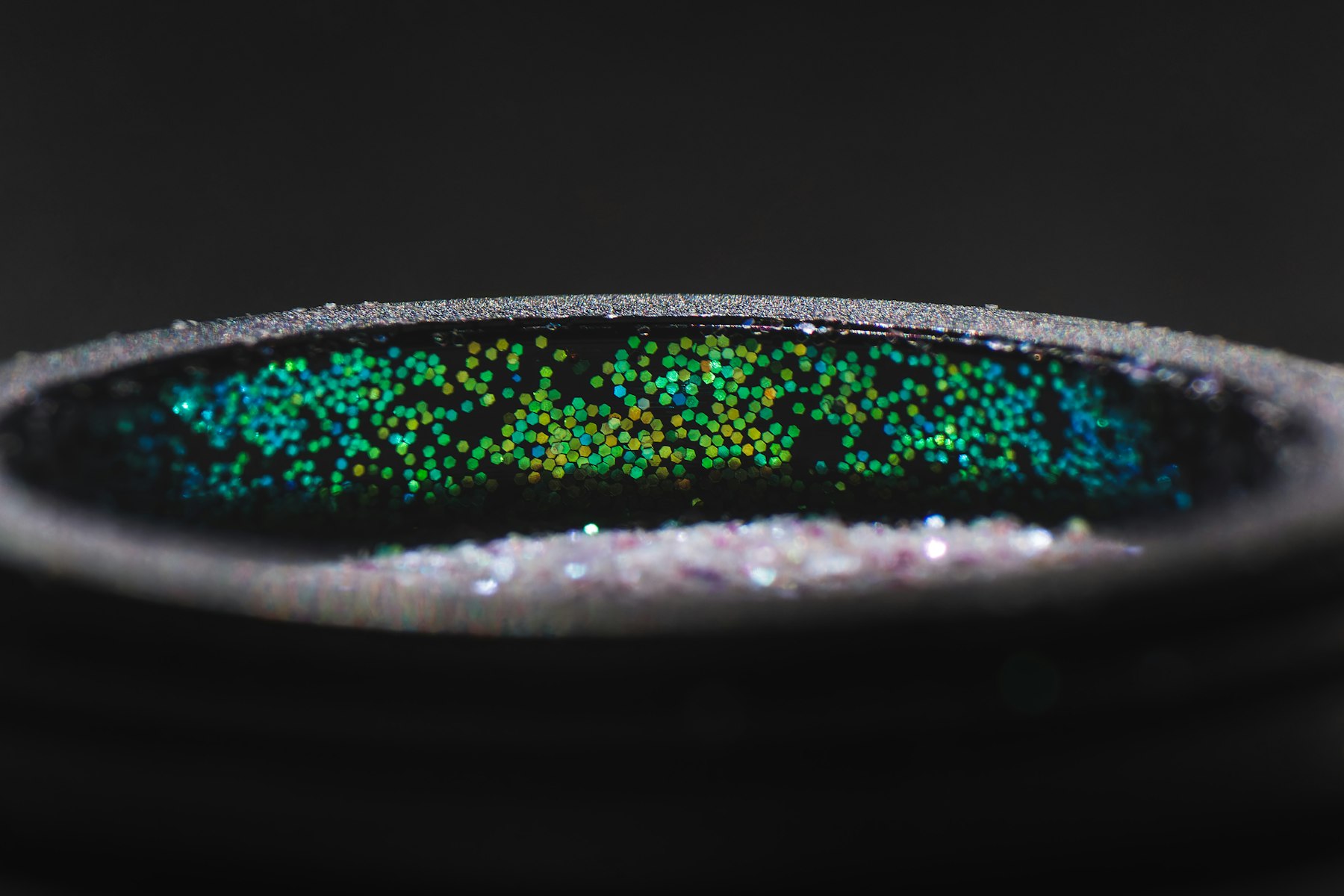
Glitter heat transfer vinyl is a layered film: a PET carrier, a heat-activated adhesive, a polyester or polyurethane base and a top layer of glitter particles locked in a clear binder. When pressed, the adhesive bonds to the fabric and the carrier peels away, leaving a sparkling, cuttable design. The difference between a premium film and a cheap one is almost entirely in how the glitter layer is built.
The flake problem
On many low-cost films the glitter sits on the surface. It looks bright on the roll, then sheds on the weeding table, on the press platen and finally in the wash. Cheer gyms and kidswear brands notice it first: sparkle on the floor, dull graphics after a few washes, and complaints from parents.
How a flake-free layer is built
Glitter particles are sized and sorted before coating so the layer is even and cuts cleanly.
The particles are encapsulated in the binder rather than dusted on top, so nothing is loose after curing.
Adhesive lamination happens in-line, immediately after coating, which keeps the layers from separating in the wash.
Every batch is checked for colour difference, adhesion, thickness and surface before slitting and sheeting.

Why in-house production matters
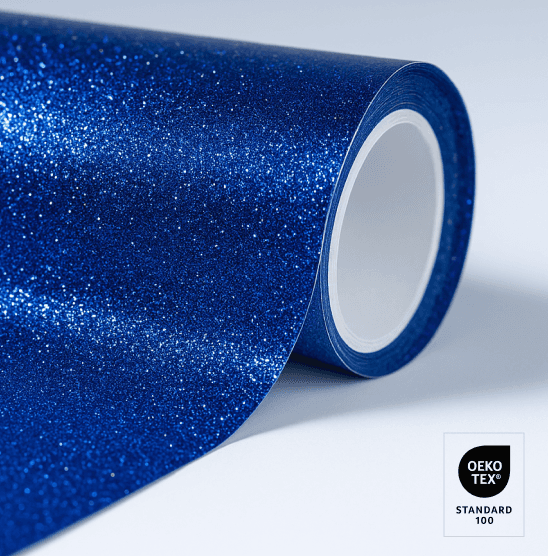
SHINHAN produces the glitter layer, coats it, laminates the adhesive and slits or sheets the finished film in one plant. There is no outsourced step, which is why colour and adhesion stay consistent from a sample kit to a container order. The process is covered by 21 registered patents on glitter sheet manufacturing and coating equipment.
Test it on your own press
Request a sample kit with A4 sheets, a pressed sample and a piece washed at 60 °C. Press it with the enclosed settings card, weed it, wash it, and compare it with the film you use today.